An Indepth Guide To Understand Fiddle Leaf
By
Fidelis Jack
Dec 9, 2024
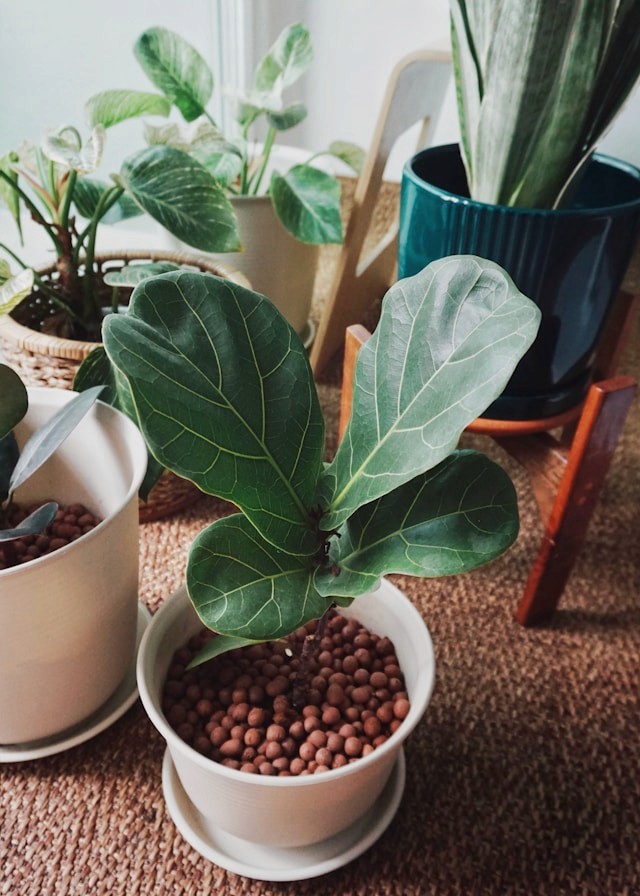
The fiddle leaf fig is one of the most striking houseplants you can own. Recognised for its large, violin-shaped leaves and upright growth, it has become a favourite in modern interiors. While it has a reputation for being demanding, the fiddle leaf fig can thrive indoors when its care needs are clearly understood and consistently met.
This guide covers everything you need to know to grow a healthy fiddle leaf fig.
What Is a Fiddle Leaf Fig?
Ficus lyrata is a tropical tree native to the rainforests of West Africa. In nature, it grows tall with a single trunk and broad leaves that help it capture filtered sunlight beneath the forest canopy. Indoors, it is commonly grown as a floor plant, valued for its bold structure and architectural presence.
With proper care, it can live for many years and grow into a true statement piece.
Light Requirements
Fiddle leaf figs need bright, consistent light.
Thrives in bright, indirect light
Can tolerate some gentle morning sun
Avoid harsh, direct afternoon sunlight
Low light causes slow growth and leaf drop
Placing the plant near a large window with filtered light is ideal.
Watering Needs
Consistent watering is essential.
Water when the top few centimetres of soil feel dry
Avoid overwatering or letting soil stay soggy
Ensure excess water drains freely
Reduce watering slightly during cooler months
Irregular watering is a common cause of leaf problems.
Soil and Potting
Well-draining soil supports strong roots.
Use a high-quality indoor potting mix
Add perlite or bark for improved drainage
Always use pots with drainage holes
Repot every 1–2 years as the plant grows
Good drainage helps prevent root rot and fungal issues
.
Temperature and Humidity
Fiddle leaf figs prefer stable conditions.
Ideal temperature range: 18–27°C
Avoid cold drafts and sudden changes
Enjoys moderate humidity
Dry air may cause leaf browning
Keeping conditions steady is key to long-term health.
Growth and Structure
Fiddle leaf figs grow upright and slowly.
Develop a single trunk or branched form
Leaves grow larger with maturity
Can reach ceiling height indoors
Rotation promotes balanced growth
They benefit from being left in one stable position.
Pruning and Maintenance
Regular care improves appearance.
Remove damaged or yellowing leaves
Prune to encourage branching if desired
Clean leaves to improve photosynthesis
Rotate occasionally for even light exposure
Maintenance helps maintain the plant’s sculptural form.
Common Problems and Solutions
Most issues are linked to care inconsistencies.
Leaf drop: Sudden environmental changes
Brown spots: Overwatering or poor drainage
Yellowing leaves: Watering imbalance
Leaf curling: Low humidity or stress
Addressing the cause early prevents long-term damage.
Is Fiddle Leaf Fig Beginner-Friendly?
Not entirely.
While beautiful, the fiddle leaf fig requires consistency and attention. It is better suited to plant owners who can maintain stable light, watering, and placement.
Is the Fiddle Leaf Fig Worth Buying?
The fiddle leaf fig is ideal if you want:
A bold, statement plant
Vertical growth and large leaves
A modern, design-focused aesthetic
Long-term indoor greenery
It may not suit those seeking low-maintenance plants.
The fiddle leaf fig rewards patience and consistency with dramatic growth and visual impact. When its environment remains stable and its needs are met, it becomes a stunning centrepiece that elevates any space.
For plant lovers ready to commit to proper care, the fiddle leaf fig is a rewarding choice.