An Indepth Guide To Understanding Monstera
By
Mirabel Acento
Jan 8, 2026
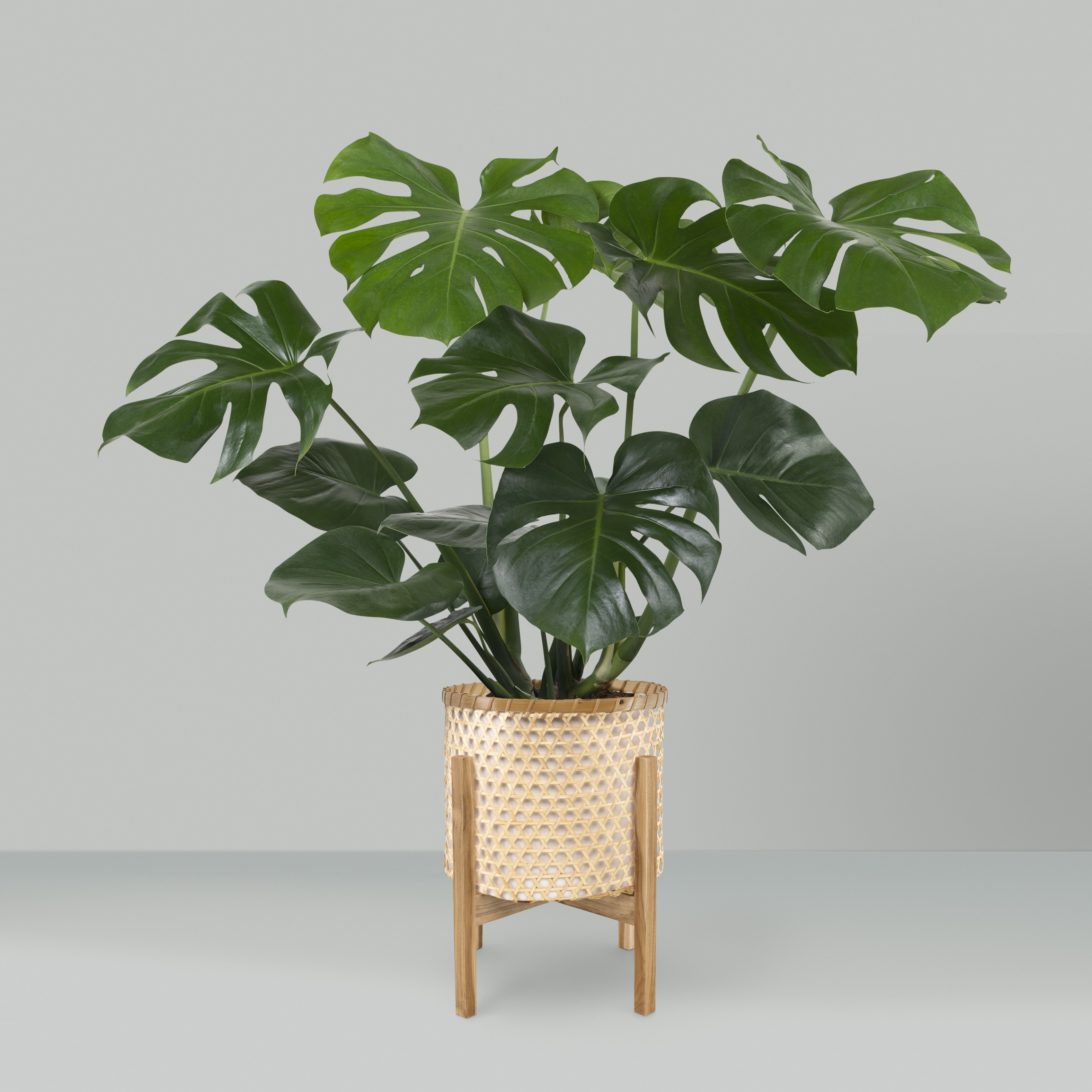
Monstera deliciosa is one of the most recognisable houseplants in the world. Loved for its large, glossy, split leaves and tropical presence, it has become a staple in modern homes, offices, and interior design spaces. But beyond its beauty, Monstera is also a relatively easy plant to care for—when its basic needs are understood.
This guide walks you through everything you need to know to grow a healthy, thriving Monstera deliciosa.
What Is Monstera Deliciosa?Monstera deliciosa is a tropical plant native to the rainforests of Central America. In its natural environment, it grows as a climbing vine, using trees for support while reaching for light. The plant gets its common name, Swiss Cheese Plant, from the natural holes and splits (fenestrations) that develop in mature leaves.
Indoors, Monstera grows as a bold, architectural houseplant that can live for many years with proper care.
Light Requirements
Monstera thrives in bright, indirect light.
Best placed near an east- or west-facing window
Can tolerate medium light, but growth will slow
Direct sunlight may scorch the leaves
Low light can prevent leaf splitting
The more consistent indirect light your Monstera receives, the larger and more dramatic its leaves will become.
Watering Needs
Monstera prefers moderate watering.
Water when the top 2–3 cm of soil feels dry
Avoid soggy or constantly wet soil
Reduce watering during cooler months
Always allow excess water to drain
Overwatering is one of the most common causes of yellowing leaves and root rot in Monstera plants.
Soil and Potting
Well-draining soil is essential.
Use a loose, airy potting mix
A mix with peat, perlite, and bark works well
Ensure the pot has drainage holes
Repot every 1–2 years as the plant grows
A breathable soil structure supports healthy root development and prevents water retention.
Temperature and Humidity
Monstera enjoys warm, humid conditions.
Ideal temperature range: 18–30°C
Avoid cold drafts and sudden temperature changes
Appreciates moderate to high humidity
Occasional misting or a humidifier helps
Dry air may cause leaf edges to brown over time.
Growth and Support
Monstera is a fast-growing plant under the right conditions.
Can grow several new leaves each year
Larger leaves develop with maturity
Benefits from a moss pole or stake
Naturally climbs rather than spreads
Providing support encourages upward growth and healthier leaf structure.
Pruning and Maintenance
Regular care keeps the plant looking its best.
Remove yellow or damaged leaves
Wipe leaves to remove dust
Prune to control size if needed
Rotate the plant for even growth
Healthy leaves improve photosynthesis and overall plant strength.
Common Problems and Solutions
Even hardy plants face challenges.
Yellow leaves: Often caused by overwatering
Brown tips: Low humidity or inconsistent watering
No leaf splits: Insufficient light or immature plant
Drooping leaves: Thirst or poor drainage
Early observation makes most issues easy to fix.
Is Monstera Deliciosa Beginner-Friendly?
Yes—with basic care awareness.
Monstera is forgiving, adaptable, and resilient, making it suitable for beginners. However, its size and growth rate require space and occasional maintenance, which should be considered before purchase.
Is Monstera Deliciosa Worth Buying?
Monstera is ideal if you want:
A bold statement plant
Fast, visible growth
A tropical indoor aesthetic
A long-lasting houseplant
It may not be suitable for very small spaces or extremely low-light environments.
Monstera deliciosa is more than a trend—it’s a timeless houseplant that combines beauty, resilience, and character. With the right balance of light, water, and space, it grows into a stunning focal point that transforms any room.
For plant lovers who want impact without excessive difficulty, Monstera deliciosa is an excellent choice.