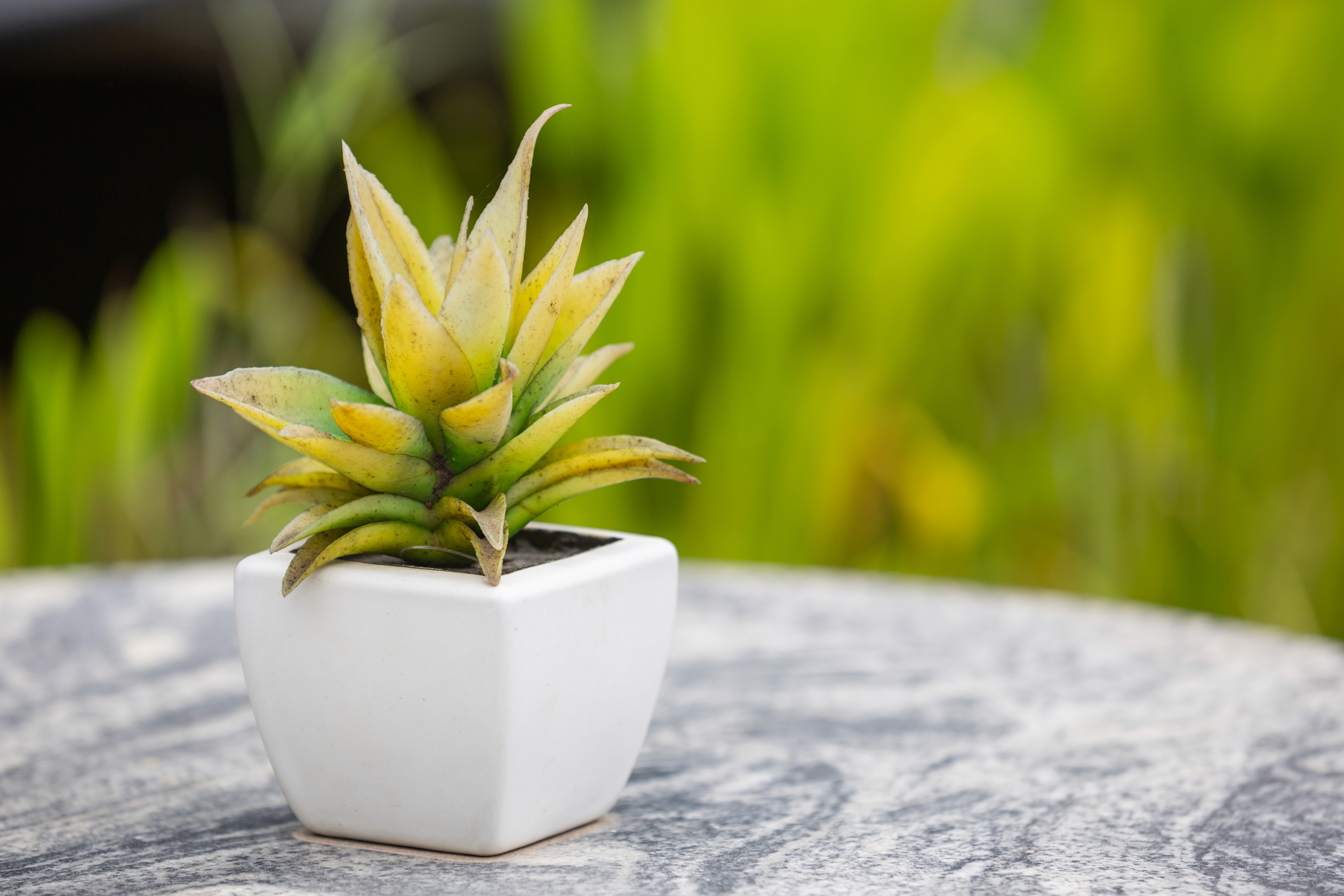
Air & Humidity: The Invisible Support System for Plants
Providing the right airflow and humidity balance helps tropical houseplants stay lush, green, and naturally vibrant

Air is easy to ignore because we can’t see it working. But for plants, air and humidity shape how leaves breathe, how water moves, and how stress is managed. Even with perfect light and watering, poor air conditions can slowly weaken a plant.
Healthy plants don’t just grow in soil. They grow in air.
How Plants Interact With Air
Plants breathe through tiny openings in their leaves. These openings allow gas exchange and control how much moisture the plant releases into the air.
When air is too dry, plants lose water faster than roots can replace it. When air is too still or overly humid, moisture lingers on leaves, creating stress and increasing the risk of disease. Balance keeps this system working smoothly.
Understanding Humidity
Humidity is the amount of moisture in the air. Many houseplants come from tropical environments where humidity is naturally higher and more consistent.
Low humidity causes leaf edges to brown, curl, or dry out. Growth may slow as the plant conserves moisture. High humidity, when paired with poor airflow, can lead to fungal issues and soft, weak growth.
Healthy humidity supports steady transpiration without overwhelming the plant.
Signs Your Plant Is Comfortable With the Air
Leaves feel flexible, not brittle
New growth opens fully and evenly
Leaf tips stay smooth and intact
When air and humidity are right, plants look relaxed rather than tense.
Air Circulation and Plant Health
Air movement helps plants regulate moisture and temperature. Gentle airflow dries excess water from leaf surfaces and strengthens stems over time.
Stagnant air traps moisture and heat, especially indoors. This creates ideal conditions for pests and disease. Proper circulation doesn’t mean strong wind—it means fresh, moving air that mimics nature.
Indoor Air Challenges
Indoor spaces often have drier air due to air conditioning, heating, and closed windows. These conditions pull moisture from leaves, especially during dry seasons.
Grouping plants, using humidity trays, or adding humidifiers can restore balance. Small changes to air conditions often lead to noticeable improvements in leaf health and growth.
Seasonal Shifts in Air and Humidity
Humidity changes with the seasons. Winter air is usually drier. Summer air may become heavy and still.
Plants respond by adjusting growth and water use. Understanding these shifts helps you support plants without overwatering or overcorrecting. Sometimes the solution isn’t more water—it’s better air.
What You’ll Learn From Managing Air & Humidity
How air affects leaf health and moisture loss
Why humidity matters for tropical plants
How airflow prevents disease and pests
How to create balanced indoor conditions
Air and humidity work quietly in the background, shaping plant health every day.
When air is balanced, leaves stay smooth, growth feels natural, and plants recover faster from stress. You don’t need perfect conditions—just thoughtful adjustments and awareness.
Care for the air, and your plants will breathe easier.