Bloom Care & Growth: Supporting Flowers Without Stress
Encouraging healthy growth and beautiful blooms requires patience, balance, and the right indoor care routine.
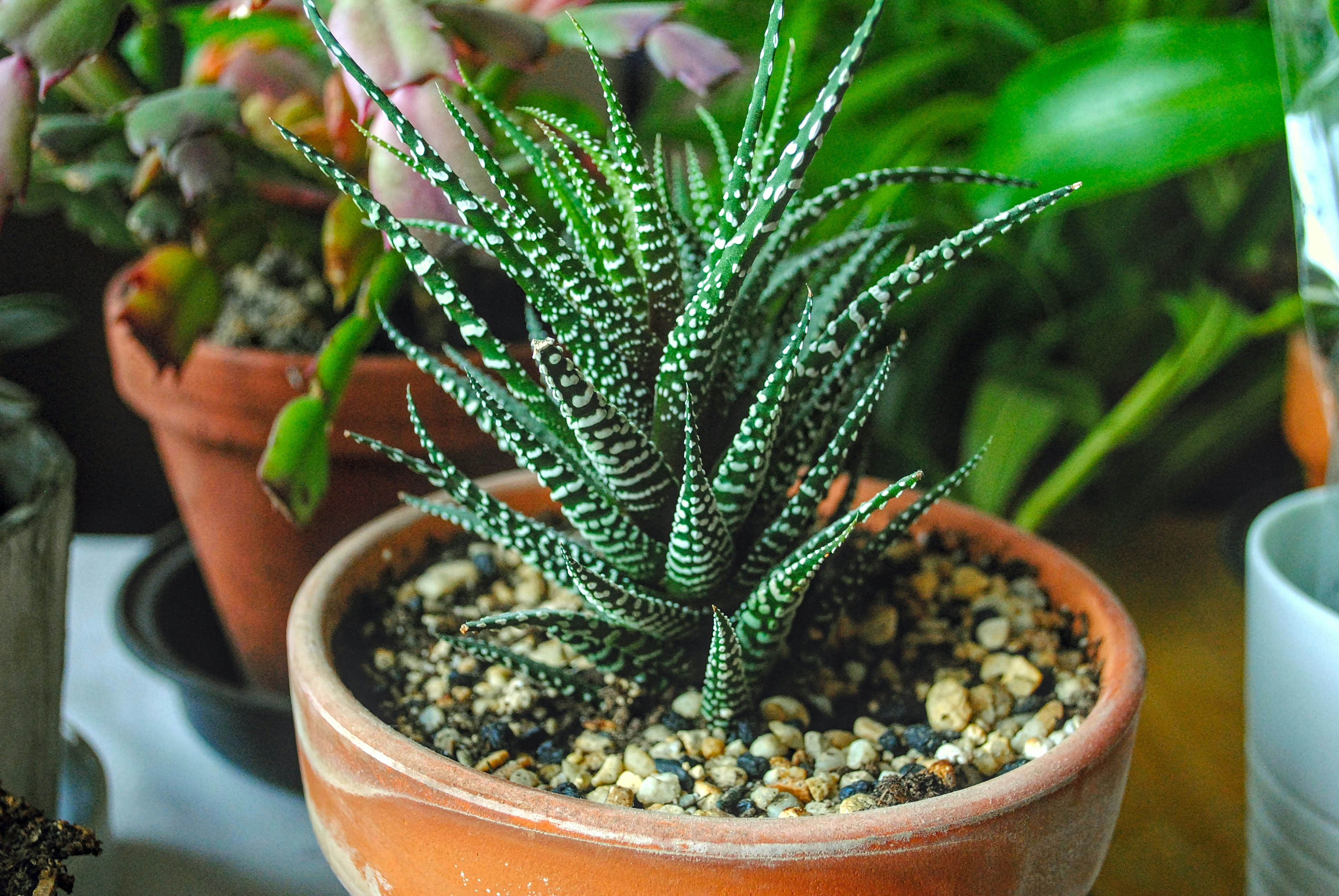
Blooms are not a plant’s main job. They are a result of balance, energy, and timing. When a plant flowers, it is sharing surplus energy. When it doesn’t, it is often protecting itself.
Bloom care is not about forcing flowers. It’s about supporting growth in a way that allows blooming to happen naturally.
Understanding Plant Growth Cycles
Plants grow in cycles. There are periods of active growth, rest, and renewal. Flowers usually appear after a plant has built enough strength through leaves and roots.
When growth is rushed or stressed, blooming is delayed or skipped. Healthy growth creates the foundation that makes flowering possible.
What Blooms Need to Form
Blooms require energy. This energy comes from light, stored nutrients, and strong roots.
Consistent care matters more than intense care. Sudden changes in light, water, or temperature interrupt growth signals and confuse the plant. Stable conditions allow energy to build gradually, leading to stronger blooms that last longer.
Signs Your Plant Is Ready to Bloom
Growth is steady and mature, not weak or stretched
Leaves are healthy and fully developed
The plant shows compact, confident structure
Plants bloom when they feel secure, not pressured.
Feeding for Blooming Growth
Blooming plants use more nutrients, especially during bud formation. However, overfeeding causes leafy growth at the expense of flowers.
Balanced feeding supports both foliage and blooms. Gentle nutrition during active growth gives plants the resources they need without overwhelming them.
Pruning and Energy Direction
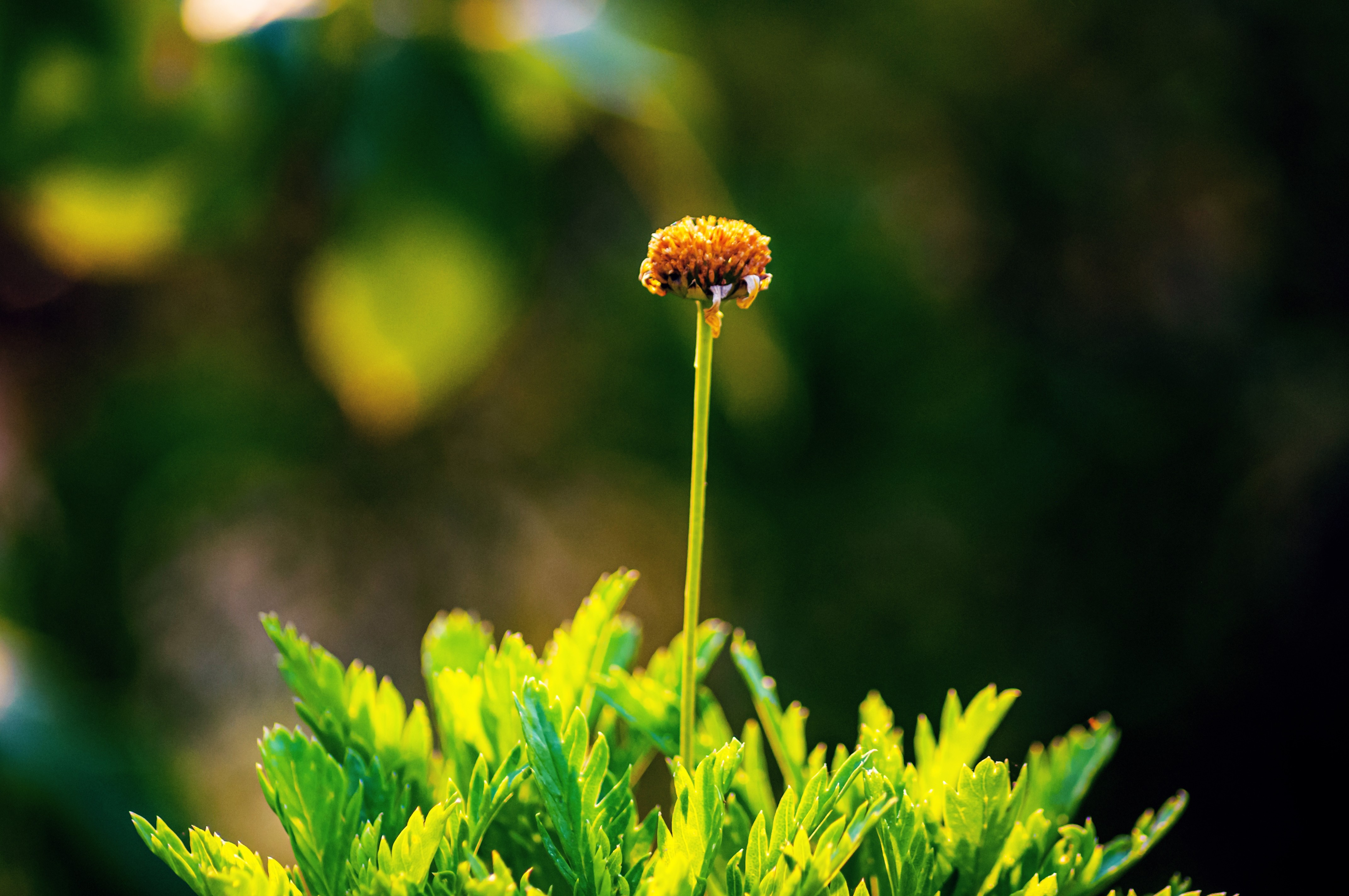
Pruning helps plants redirect energy. Removing spent flowers and weak growth allows nutrients to move toward new buds and stronger stems.
Proper pruning also improves airflow and light exposure, both of which support flowering. Clean, intentional cuts help plants grow with clarity and purpose.
Why Some Plants Don’t Bloom
Lack of blooms is usually a sign of imbalance, not failure.
Insufficient light, poor soil nutrition, inconsistent watering, or stress can all delay flowering. Some plants also require seasonal cues, such as cooler temperatures or shorter days, to trigger blooms.
Understanding a plant’s natural rhythm is key to bloom success.
What You’ll Learn From Bloom Care
How growth cycles affect flowering
Why stability encourages blooms
How to feed and prune for healthy growth
How to support flowers without forcing them
Blooms are a conversation between the plant and its environment.
When care is steady and conditions are right, plants bloom on their own timeline. The flowers are stronger, fuller, and more meaningful because they were earned, not rushed.
Support growth first. Blooms will follow.