The Complete Guide to Plant Health
Identify common issues early and learn natural treatment methods to keep your plants thriving.

Healthy plants don’t happen by luck. They are the result of balance—between light, water, soil, air, and care. When one part is off, plants start to show signs. Leaves change color. Growth slows. Roots struggle silently beneath the soil.
This guide breaks down plant health in a simple, practical way, so you can understand what your plant is experiencing and how to respond before small issues turn into big problems.
Understanding Plant Health
Plant health is the plant’s ability to grow, adapt, and recover. A healthy plant doesn’t just look good—it functions well. It produces new leaves, maintains strong roots, and responds positively to its environment.
Many people focus only on watering, but true plant health is broader. It includes nutrient flow, root oxygen, pest resistance, and stress management. When these systems work together, plants thrive naturally.
Key Signs of a Healthy Plant
Consistent leaf color and steady growth
Firm stems and well-anchored roots
New leaves appearing during active seasons
Healthy plants may still drop old leaves or pause growth, but they recover quickly and continue developing over time.
Soil: The Foundation of Plant Health
Soil is not just dirt—it is a living system. Healthy soil holds moisture while allowing excess water to drain. It also contains air pockets that roots need to breathe.
Poor soil is one of the most common causes of plant health problems. When soil is compacted or depleted, roots struggle to absorb nutrients, even if you water regularly. Over time, this leads to weak growth, yellowing leaves, and vulnerability to pests.
Refreshing soil, improving drainage, and choosing the right soil mix for each plant type can dramatically improve plant health without changing anything else.
Watering and Root Health
Roots are the control center of the plant. When roots are healthy, the plant can handle stress. When they are damaged, the entire plant suffers.
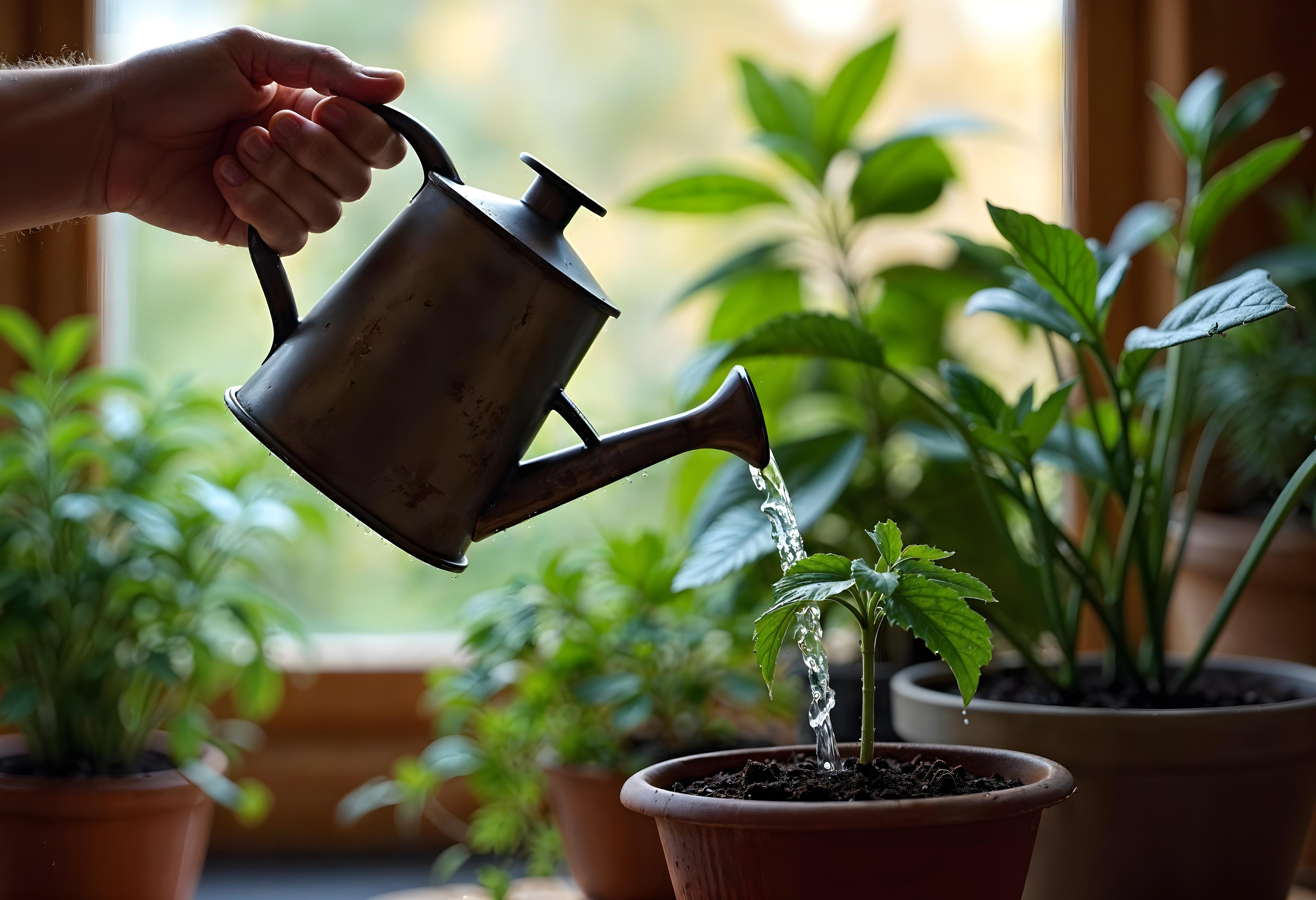
Overwatering is more harmful than underwatering. Constantly wet soil cuts off oxygen, causing roots to rot. Once root rot begins, plants cannot transport water properly—even though the soil is wet.
Healthy watering means allowing soil to partially dry, encouraging roots to grow deeper and stronger. It also means understanding that different plants have different water rhythms.
Light and Energy Balance
Light is how plants make food. Too little light leads to weak, stretched growth. Too much light causes leaf burn and dehydration.
Plant health improves when light matches the plant’s natural environment. Tropical plants prefer bright, indirect light. Desert plants thrive in direct sun. When light is correct, leaves stay firm, color deepens, and growth becomes more compact and balanced.
Nutrients and Long-Term Health
Plants slowly use up nutrients in soil. Without replenishment, growth weakens even if everything else is right.
Healthy feeding is about consistency, not excess. Too much fertilizer causes salt buildup and leaf damage. Too little leads to pale leaves and slow growth. Using a balanced fertilizer during the growing season supports strong roots, healthy leaves, and resistance to stress.
Stress, Pests, and Disease
Unhealthy plants attract problems. Pests and diseases usually appear when a plant is already stressed—from poor light, bad soil, or improper watering.
A healthy plant has natural defenses. Its leaves are tougher, sap flow is steady, and recovery is faster. Improving plant health conditions often solves pest issues without aggressive treatments.
What You’ll Learn From This Guide
How to identify early signs of poor plant health
Why roots matter more than leaves
How environment affects long-term growth
How to build plant resilience, not just survival
Plant health is not about perfection. It’s about awareness. When you understand how plants function, care becomes intuitive. You stop reacting to problems and start preventing them.
A healthy plant grows at its own pace, adapts to change, and rewards patience. Give it balance, and it will do the rest.